
IBC Sunday School 2025
-
December, 2024 - January, 2025
December 1 -January 19: Units 4-5: Exodus -
January 26: Unit 5 Session 4: Leviticus
-
February, 2025February 2 - February 9: Unit 6: Numbers 11 & 14
-
February 16: Unit 6 Session 3: Numbers 21
-
February 23: Unit 6 Session 4: Deuteronomy 32: 1-9, 44-47
-
March, 2025March 2, 2025: Unit 7 Session 1: Joshua 3
-
March 9, 2025: Unit 7 Session 2: Joshua 6
-
March 16, 2025: Unit 7 Session 3: Joshua 7
-
March 23, 2025: Unit 7 Session 4: Joshua 11
-
March 30, 2025: Unit 7 Session 5: Joshua 24
-
April, 2025April 6, 2025: Unit 8 Session 1: Judges 3
-
April 13, 2025: Unit 8 Session 2: Judges 4
-
April 20, 2025: Unit 8 Session 3: Judges 6-7
-
May, 2025May 4, 2025: Unit 9 Session 1: Ruth
-
May 11, 2025: Unit 9 Session 2: I Samuel 3
-
May 18, 2025: Unit 9 Session 3: I Samuel 4
-
May 25, 2025: Unit 9 Session 4: I Samuel 7
-
June, 2025June 1, 2025: Unit 10 Session 1: I Samuel 8
-
June 8, 2025: Unit 10 Session 2: I Samuel 13
-
June 15, 2025: Unit 10 Session 3: I Samuel 15
-
June 22, 2025: Unit 10 Session 4: I Samuel 16
-
June 29, 2025: Unit 10 Session 5: I Samuel 16
-
July, 2025July 6, 2025: Unit 11 Session 1: I Samuel 17
-
July 13, 2025: Unit 11 Session 2: I Samuel 24
-
July 20, 2025: Unit 11 Session 3: II Samuel 7
-
July 27, 2025: Unit 11 Session 4: II Samuel 11 - 12
-
August, 2025August 3, 2025: Unit 12 Session 1: I Kings 2-3
-
August 10, 2025: Unit 12 Session 2: I Kings 6-8
-
August 24, 2025: Unit 12 Session 4: I Kings 9-101 Quiz
-
October, 2025October 5, 2025
-
October 12, 2025
Quizzes
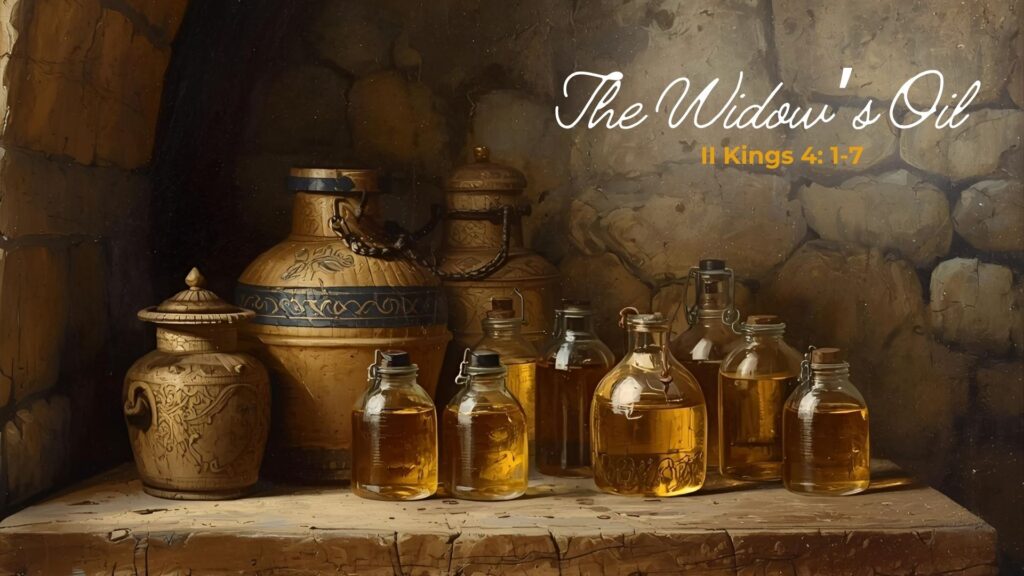
The question for the next few slides is, “Where did all the widows and poor come from in Israel?” Remember that Israel is NOT living in accordance with God’s will; therefore, the suffering is great. Widows are without food. Destitution is a reality in the cities.
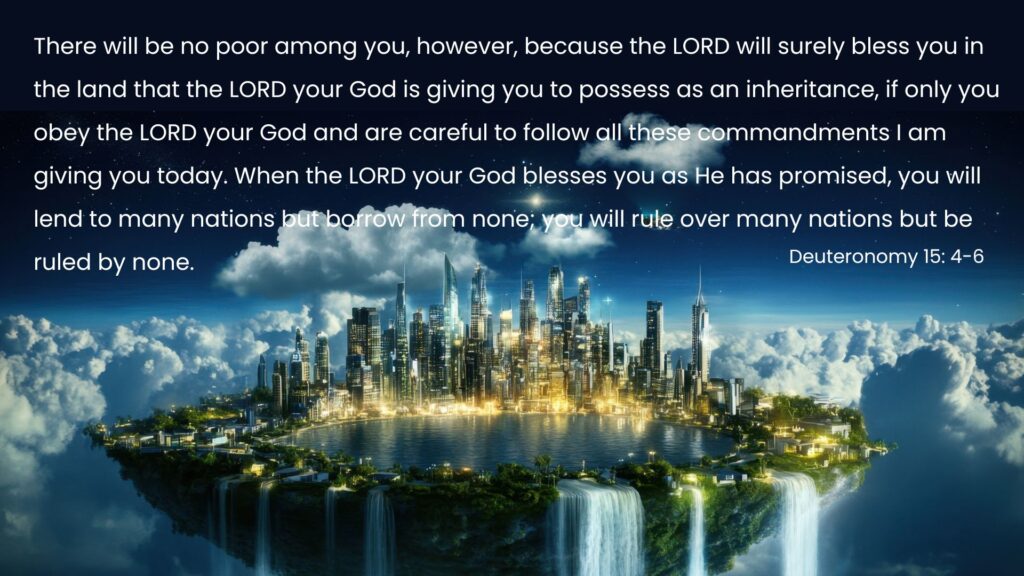
Poverty is not in God’s plan for His people, yet Jesus says, “The poor will always be with you.” Scripture gives detailed instructions about ways to care for the poor, which I haven’t taken the time to explore fully but would like to. Different instructions are given for taking care of your own and taking care of the world’s poor.
We first cloth and feed our own children, figuratively and literally, and then worry about the welfare of everyone else’s children. We are called to pay attention to the children of the world, but we’re first responsible for taking care of our own children. That’s just my take on things.
Meanwhile, God is big enough to devise a plan that addresses the needs of every single person. And remember, “Blessed are the poor in spirit, for theirs is the kingdom of heaven.” We are ALL poor in spirit. We ALL seek remission, relief and reprieve from the consequences of our sins. Only when we realize that we’re poor in spirit, will we assume a position of entry into the kingdom of Heaven.
Jesus will fulfill and take care of all our needs. He’s the permanent state of remission for us, the seven-year rest we long for, the Jubilee.
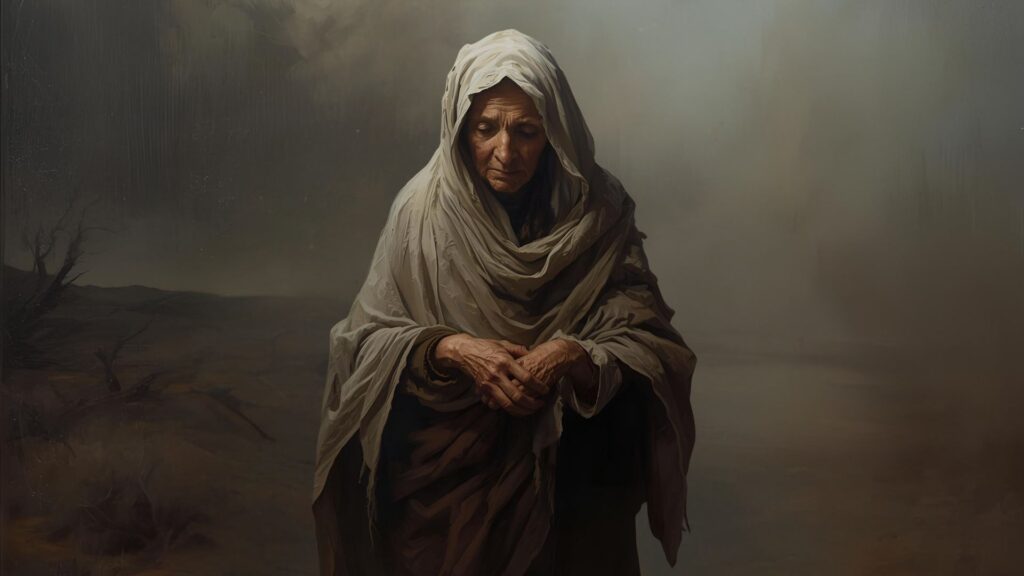
According to the Mosaic law, creditors could enslave debtors and their children to work off a debt when they could not pay.
Exodus 21: 2–4 “If you buy a Hebrew servant, he is to serve you for six years. But in the seventh year, he shall go free without paying anything. If he arrived alone, he is to leave alone; if he arrived with a wife, she is to leave with him. If his master gives him a wife and she bears him sons or daughters, the woman and her children shall belong to her master, and only the man shall go free.”
The period of servitude could last until the next Year of Jubilee.
Leviticus 25: 39 – 40 “‘If any of your fellow Israelites become poor and sell themselves to you, do not make them work as slaves. They are to be treated as hired workers or temporary residents among you; they are to work for you until the Year of Jubilee. “
Rich people and creditors, however, were not to take advantage of the destitute.
Deuteronomy 15: 12– 18 “If any of your people—Hebrew men or women—sell themselves to you and serve you six years, in the seventh year you must let them go free. And when you release them, do not send them away empty-handed. Supply them liberally from your flock, your threshing floor and your winepress. Give to them as the Lord your God has blessed you. Remember that you were slaves in Egypt and the Lord your God redeemed you. That is why I give you this command today.
But if your servant says to you, “I do not want to leave you,” because he loves you and your family and is well off with you, then take an awl and push it through his earlobe into the door, and he will become your servant for life. Do the same for your female servant.
Do not consider it a hardship to set your servant free, because their service to you these six years has been worth twice as much as that of a hired hand. And the Lord your God will bless you in everything you do.”
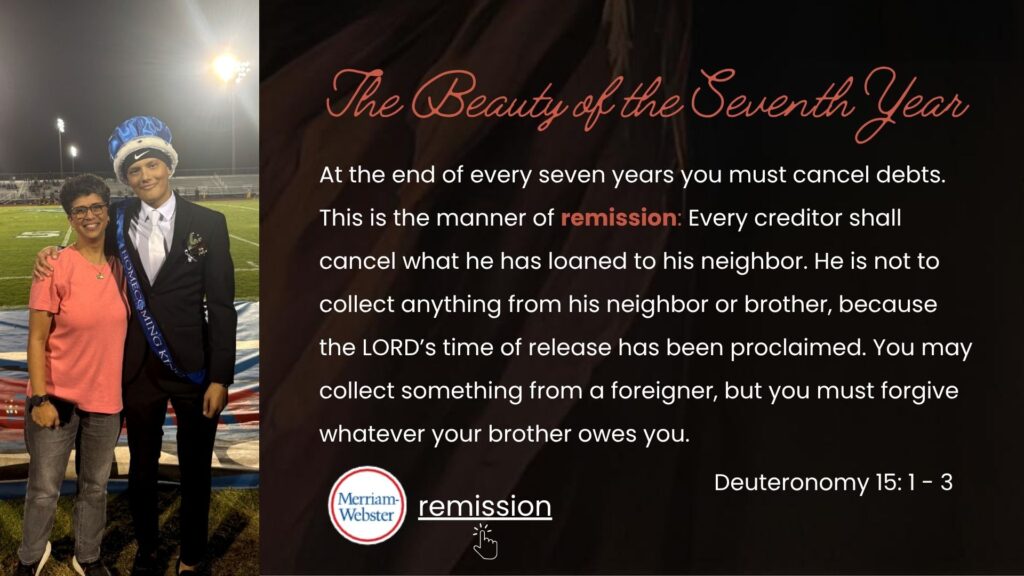
Jesus, as our Jubilee/place of rest and restoration, offers us REMISSION, relief from the oppression we experience in this fallen world, in this fallen state of affairs.
We live with hardships now because we are in the suffering age. Jesus has come, has died, and has been resurrected. He is coming again, and in the interim, we are enduring and waiting and suffering.
God provided this model of remission in Deut. so we could see that the pressure is eventually lifted.
Like the Israelites, we’re living in an altered state, one that falls short of what God originally intended.
As believers in the Gospel, we understand that we deserve suffering and death and that Jesus has taken that judgment on Himself through his death on the cross.
Our faith in Him as the King, Judge, and Sacrificial Lamb gives us the gifts of the Holy Spirit, which include endurance to wait for His victorious return. Our endurance pays off because Jesus is the ultimate cure, the eternal rest, the reward, the Sabbath and the Jubilee.
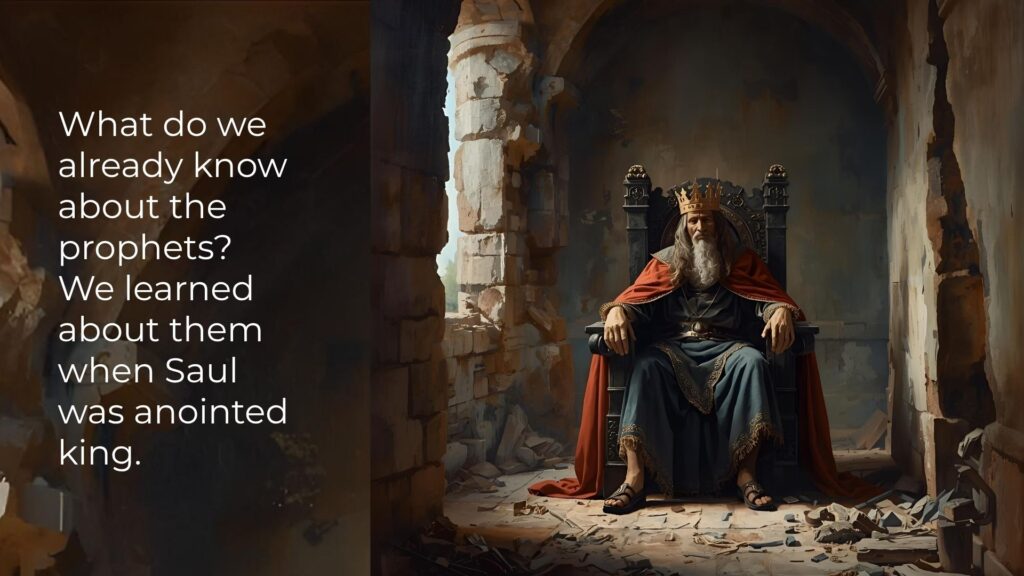
What do we already know about the prophets?
I Samuel 10 (Saul chosen as king)
“Afterward you will come to the hill of God where the Philistine garrison is; and it shall be as soon as you have come there to the city, that you will meet a group of prophets coming down from the high place with harp, tambourine, flute, and a lyre before them, and they will be prophesying. Then the Spirit of the LORD will come upon you mightily, and you shall prophesy with them and be changed into another man. It shall be when these signs come to you, do for yourself what the occasion requires, for God is with you. And you shall go down before me to Gilgal; and behold, I will come down to you to offer burnt offerings and sacrifice peace offerings. You shall wait seven days until I come to you and show you what you should do.” Then it happened when he turned his back to leave Samuel, God changed his heart; and all those signs came about on that day. When they came to the hill there, behold, a group of prophets met him; and the Spirit of God came upon him mightily, so that he prophesied among them.”
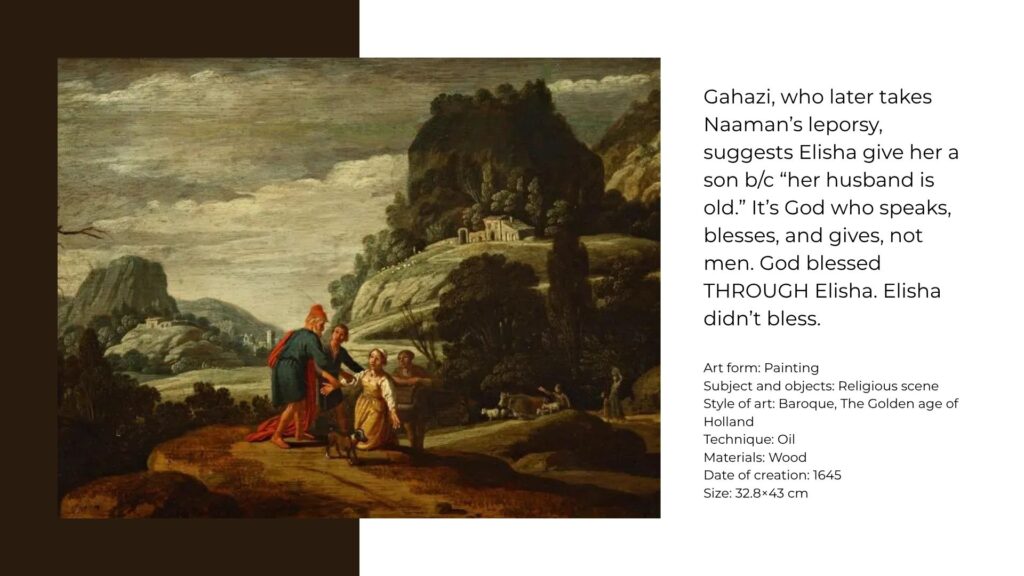
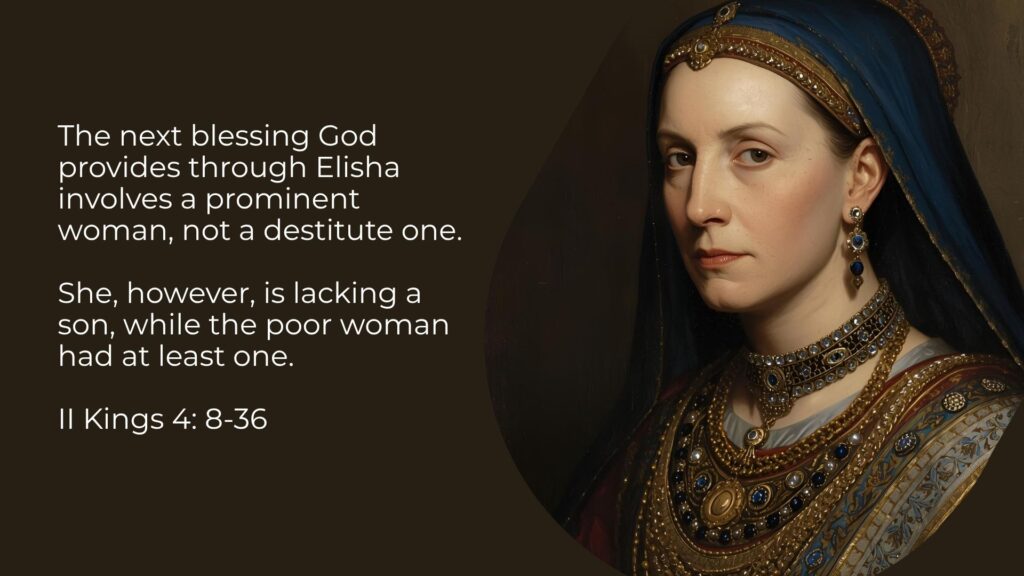
The Shunamite handled her own grief in a way that didn’t exploit it. She could have yelled and screamed (I’m not saying there isn’t a time and place for that), calling attention to herself: “Look Everyone! Something has happened to ME!”
Instead, she had faith that God was still able to rescue her even when the curtain had closed on her happiness. This grown child/lad , her beloved son who was a gift from God, was DEAD – all the way – no coming back. But she maintained faith and didn’t fly the flag of her offense. When she saw Elisha, she assumed a position of humiliation and respect, not offense.
I think about Sally Field’s book in which she explained grief and the way she wielded it as a weapon. The more inundated we are by the world, the more warped our perception of the way to deal with anything. If you haven’t experienced grief yet, you will. How does an exemplary woman deal with it? Like this Shunamite.
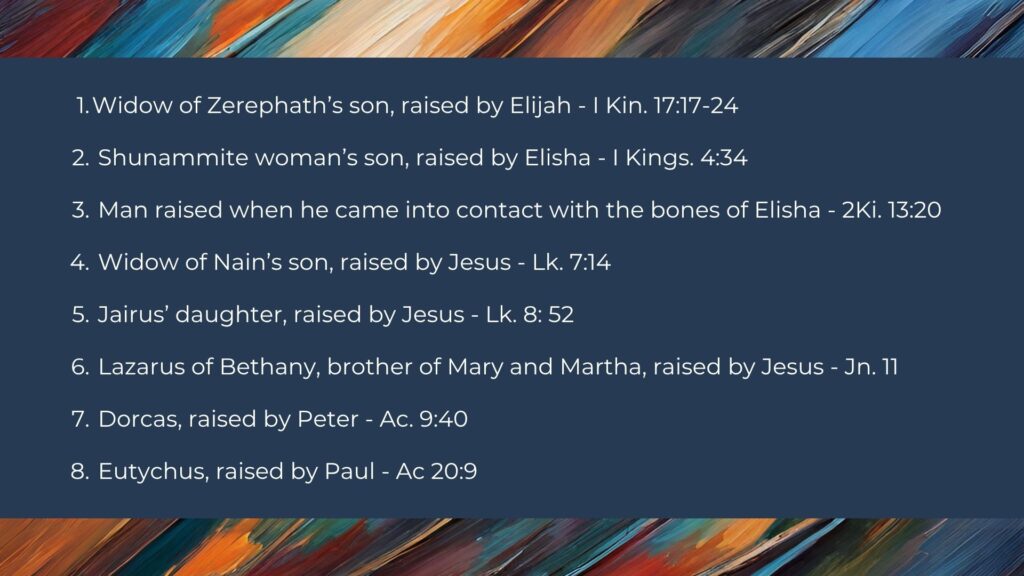
Resuscitations from the Dead – back to the song, These Are the Days of Elijah. It shouldn’t be a shock to us that people can be raised from the dead. We are ALL going to be raised from the dead! This is a fact. Did it happen more times than those events we have recorded in Scripture? I don’t know, but it’s a reality.
Believing in life after death is what separates those who have faith from those who don’t.
Nelson, Thomas. NASB, MacArthur Study Bible, 2nd Edition (pp. 1735-1736). Thomas Nelson. Kindle Edition.