
Till We Have Faces: Responding to Literature through Literary Analysis Essays
-
Previewing the Text1 Quiz
-
Chapter 1
-
Cupid, a Cultural Icon
-
Experience the Myth
-
Essential Plot Elements in Chapter Five
-
Central Ideas in Chapters 6-12
-
MLA Style
-
Writing a Literary Analysis: the Myth Retold
-
Archetypes and Tropes
-
Quiz Chapters 7-10
-
Reflecting on Chapter 17
-
Reflecting on Part II
-
Final Essay Prompts
Quizzes
Essential Plot Elements in Chapter Five
This chapter brings to mind...
In this chapter readers encounter the idea of the Brute for the first time. His identity is mysterious. Claims about him are contradictory. The logical Fox says his existence makes no sense. The mystical priest says his existence defies logic. The pragmatic king gives up choosing between the two interpretations and wants the bottom line. What does the Brute want? What is the fastest, most direct way to satisfy whatever the Brute is so the Kingdom of Glome can back to normal?
Conversations about mysterious creatures go on today, as well. Are people who claim to have encountered Big Foot or Sasquatch full of hot air? Was the Priest making things up? If the Brute is real, is he a spiritual being with violent intentions or a physical animal who simply wants to be left alone to his instincts?
Shakespeare thought about it, too!
In chapter five Orual is impressed by the Priest’s unflinching reaction to having a dagger pressed into his ribs. Although the Priest is a weak, decrepit, old man, he threatens the king with a terrifying possibility. What if killing his body would only summon his ghost to eternally torture the king? What if no one else would see the Priest’s ghost, leaving the king alone in a state of psychological torture? That’s a scary thought the strong, practical king couldn’t handle. He relented and withdrew his sword.
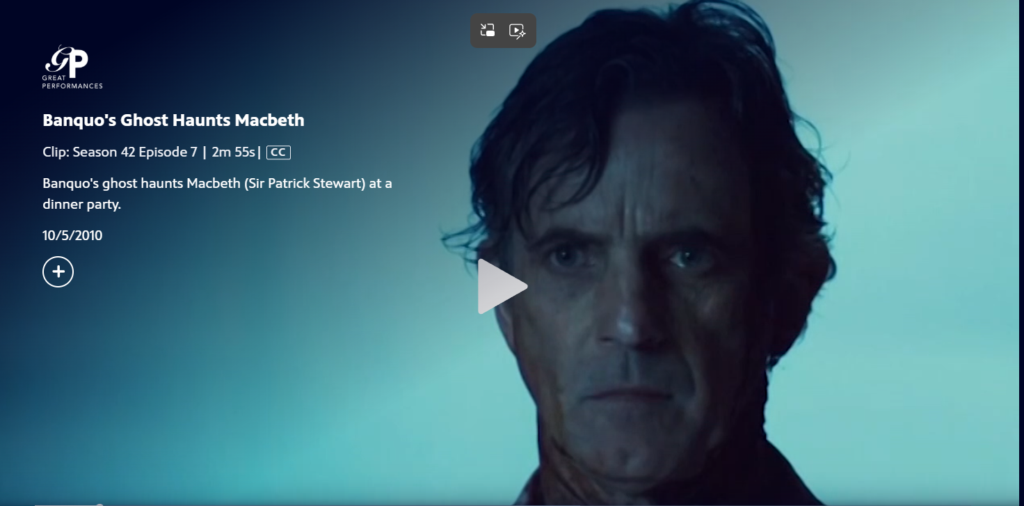
Shakespeare presented a similar scenario in Macbeth, subjecting a royal king to private haunts by a murdered friend.
In Act 3, Scene 4 of Shakespeare’s Macbeth, commonly called the Banquet Scene, Macbeth sees the ghost of Banquo sitting in his chair. No one else at the table can see the ghost, and Macbeth’s terrified reaction alarms his guests.
Responses